


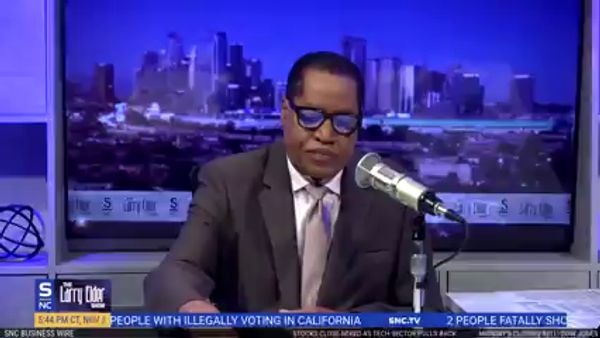






Steve Robinson, editor-in-chief of the Maine Wire, discusses the intricacies of Maine politics, focusing on irregularities in the voting process. Robinson highlights issues with in-person voting, specifically noting buses funded by George Soros bringing illiterate Somali refugees to polling places. These individuals, accompanied by interpreters, appear to have their ballots filled out by the interpreters rather than themselves. Robinson discusses the lack of investigation into these practices at the state level, while the U.S. Attorney for the District of Maine has announced a federal investigation. The conversation also touches on the political landscape, including the potential for a Republican victory in the Second Congressional District with Paul LePage and an interesting Senate race between Susan Collins and Troy Jackson. Robinson emphasizes the importance of monitoring and ensuring the integrity of the voting process in Maine.
Americans are heading to the polls Tuesday to cast their ballots in the 2026 midterm elections, with control of Congress and key state and local offices at stake.
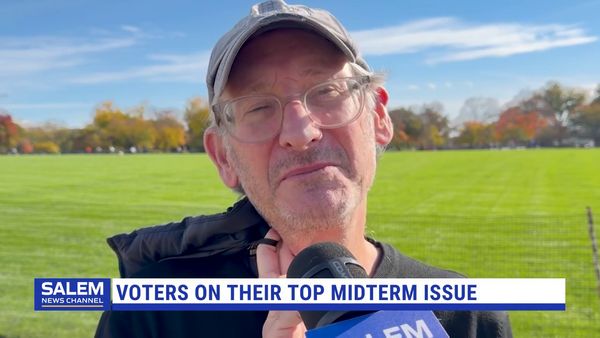
Ahead of Election Day, Salem News Channel's White House correspondent spoke with voters about the issues that matter most to them and what is influencing their decisions at the ballot box.
The elections come as Americans weigh a range of concerns, including the economy, immigration, public safety and the direction of the country.
Voters across the nation will decide who represents them in Congress, while several states will also choose governors and other elected officials.
With the balance of power in Washington on the line, both parties have spent the final days of the campaign encouraging supporters to turn out.
Salem News Channel spoke with voters ahead of Election Day to hear their perspectives on the issues shaping this year's elections.
Watch the video above to hear what voters had to say.
New York health officials have confirmed the state's first measles-related death in more than three decades, as authorities continue responding to an outbreak of the highly contagious disease.
The New York State Department of Health announced that a child in Lewis County, north of Syracuse, died after contracting measles.
Officials have not released the child's age or vaccination status, and additional details surrounding the death have not been made public.
The death comes amid a rise in measles infections across the state. As of October 24, New York had recorded 178 confirmed cases this year.
Gov. Kathy Hochul declared a state disaster emergency in October in response to the outbreak, allowing state agencies to coordinate resources and strengthen efforts to contain the spread of the virus.
Measles is a highly contagious airborne disease that can spread when an infected person breathes, coughs or sneezes. Symptoms typically include a high fever, cough, runny nose, red eyes and a rash.
Although many patients recover, measles can cause serious complications, including pneumonia, brain swelling and, in rare cases, death. Young children and people with weakened immune systems face a greater risk of severe illness.
Health officials are urging New Yorkers to review their vaccination records and make sure they are protected against the virus.
The Centers for Disease Control and Prevention recommends two doses of the measles, mumps and rubella (MMR) vaccine for children, with the first dose generally administered between 12 and 15 months of age and the second between ages 4 and 6.
State health officials are also encouraging residents who believe they may have been exposed to measles to contact a healthcare provider before visiting a medical facility to help prevent further transmission.
Former U.S. Army Secretary Dan Driscoll has joined OpenAI in a newly created position focused on strengthening national security and cybersecurity through artificial intelligence.
OpenAI announced Monday that Driscoll will serve as senior counselor for national security modernization, advising company leadership and working with government officials, industry executives and international partners on the responsible use of advanced AI technology.
The position will focus on helping the United States and its allies incorporate artificial intelligence into national security operations, including improving cyber defenses and modernizing military capabilities.
Driscoll will also work with academic institutions and private-sector organizations to identify ways AI can help national security agencies operate more efficiently and respond to emerging threats.
OpenAI CEO Sam Altman welcomed the appointment, saying the United States has an opportunity to work with other countries to expand the adoption of AI systems that support democratic principles.
Driscoll previously served as the 26th secretary of the Army under President Donald Trump, overseeing military operations, modernization efforts and resources for nearly one million active-duty, National Guard and Reserve soldiers.
During his tenure, Driscoll pushed to accelerate the military's adoption of new technology, including drones and other advanced defense systems. He also participated in diplomatic efforts involving the war between Russia and Ukraine.
Driscoll resigned from the Trump administration in September following reported tensions with Defense Secretary Pete Hegseth over Army leadership and modernization priorities. Driscoll did not publicly cite those disagreements as the reason for his departure.
His appointment comes as OpenAI expands its involvement in national security and defense-related technology, including partnerships aimed at strengthening cybersecurity and helping government agencies use AI responsibly.
The company says Driscoll's experience in military leadership and technology modernization will help bridge the gap between emerging AI capabilities and the needs of national security institutions.
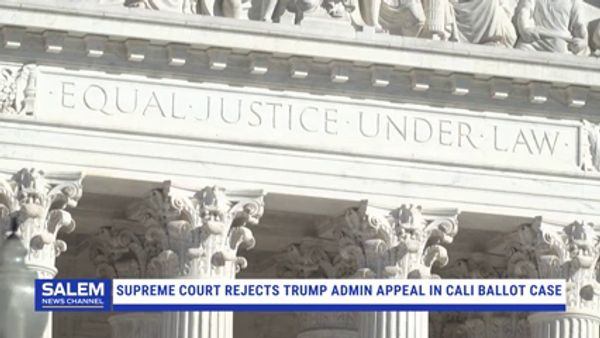
The U.S. Supreme Court has rejected an emergency appeal from the Trump administration seeking to prevent California from counting thousands of mail-in ballots tied to voters federal officials suspect may not be U.S. citizens.
The decision, issued Monday evening just hours before Election Day, allows California election officials to continue processing ballots under the state's existing election procedures.
The Justice Department had asked the high court to intervene in a dispute involving more than 20,000 people identified by federal officials as potentially ineligible to vote because of questions surrounding their citizenship status.
The administration wanted California to separate ballots associated with those voters until their eligibility could be verified.
Federal officials argued that counting the disputed ballots alongside other votes could make it impossible to identify and remove any ballots later determined to have been cast illegally.
Solicitor General D. John Sauer described the request as a limited measure intended to protect the integrity of the election while the legal dispute continued.
California officials opposed the request, arguing that the federal government's list contained significant inaccuracies and could include eligible American citizens.
State officials warned that separating the ballots so close to Election Day could prevent lawful voters from having their votes counted.
The Supreme Court rejected the administration's request without providing an explanation, a common practice in emergency appeals. No justices publicly dissented.
The decision followed earlier rulings against the administration in federal district court and the Ninth U.S. Circuit Court of Appeals.
A federal judge previously expressed concerns that the Justice Department's request could interfere with California's authority to administer elections and potentially disenfranchise eligible voters.
California Gov. Gavin Newsom welcomed the Supreme Court's decision, while the Trump administration maintained that additional citizenship verification was necessary to prevent unlawful voting.
Federal law prohibits non-U.S. citizens from voting in federal elections. However, California officials have disputed the reliability of the administration's evidence and questioned whether the individuals identified had actually cast ballots.
The ruling comes as voters across the country head to the polls Tuesday for the 2026 midterm elections, which will determine control of Congress for the final two years of President Donald Trump's second term.
While the Supreme Court's decision allows California to continue counting ballots, the broader legal dispute over voter eligibility and federal oversight of state elections remains unresolved.
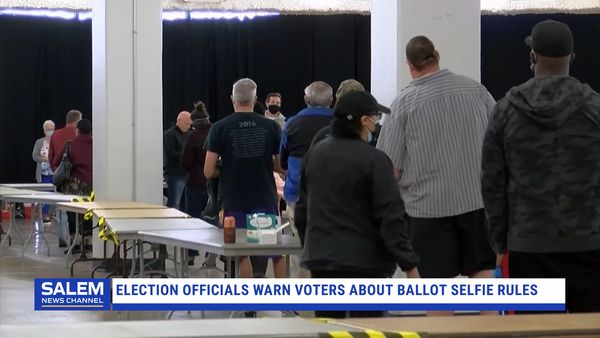
As Americans head to the polls for the 2026 midterm elections Tuesday, election officials are reminding voters to check their state's rules before snapping a photo of their ballot.
While sharing a ballot selfie on social media may seem harmless, doing so could violate election laws depending on where a voter lives.
According to Ballotpedia, 15 states prohibit ballot selfies, while 31 states and Washington, D.C., allow them. Four additional states permit photos of absentee or mail-in ballots but restrict ballot selfies at polling locations.
The rules vary significantly from state to state, with some allowing voters to photograph their completed ballots but restricting when and where those images can be shared.
In Michigan, voters are permitted to photograph their own marked ballots while inside the voting booth. However, they cannot hold up their ballots for a selfie or include themselves in the photograph. Voters must also wait until they leave the polling place before sharing the image.
Oklahoma also allows voters to photograph their completed ballots, but state law prohibits disclosing how they voted while inside the election enclosure. That means voters must wait until they leave the designated voting area before posting or sharing their ballot photos.
Other states have stricter restrictions. In Texas, for example, the use of recording devices is prohibited within 100 feet of a voting station, limiting opportunities to take photographs inside polling locations.
The restrictions are intended to protect ballot secrecy, prevent voter intimidation and reduce the risk of vote buying or coercion.
Election officials encourage voters who want to document their Election Day experience to consider taking a photo with their "I Voted" sticker instead.
Voters are advised to check with their state or local election office before taking photographs at polling places to avoid unintentionally violating election laws.
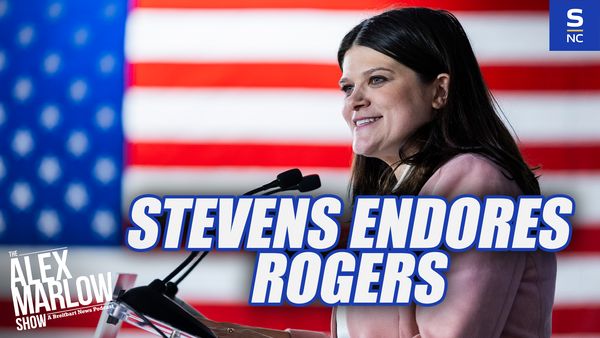
This week's election results are going to be historic, and the speaker is breaking down the key Senate races to watch. Joining the conversation is Jim Paff of the Conservative Caucus, who shares his insights on the Michigan Senate race, where Haley Stevens' endorsement of Mike Rogers could be a game-changer. They also discuss the rise of the Red-Green Alliance and the dangers of Sharia law in the US.
This episode covers a range of topics, from the impact of ranked-choice voting in Alaska to the potential for a blue wave in the House. The speaker and Jim Paff dive into the world of politics, discussing the challenges facing Republicans and the importance of standing up for American values. With the election just around the corner, this conversation is a must-listen for anyone interested in staying informed about the latest developments.
One of the key takeaways from this episode is the speaker's concern about the rise of the Red-Green Alliance, which he believes poses a significant threat to American values. He also discusses the importance of standing up for American ideals, citing the example of Haley Stevens, who has been ostracized by her own party for her endorsement of Mike Rogers. Jim Paff shares his insights on the Michigan Senate race, highlighting the challenges facing Republicans and the potential for a surprise upset.
If you want to stay ahead of the curve and understand the latest developments in the world of politics, tune in to this episode. The speaker and Jim Paff offer a unique perspective on the key issues of the day, and their conversation is a must-listen for anyone interested in staying informed.
Follow Carl Jackson:
Facebook: https://www.facebook.com/carljacksonradio
X/Twitter: https://twitter.com/carljacksonshow
Instagram: https://www.instagram.com/thecarljacksonshow
Website: http://www.TheCarlJacksonShow.com
Store: https://CarlJacksonStore.com
Haley Stevens, a Michigan Democrat, has garnered significant attention for endorsing Mike Rogers over Rashida Tlaib in the Michigan Senate race. Despite receiving over 700,000 votes during the primary, Stevens' decision to support Rogers has sparked controversy. Critics argue that Rogers' connections to the Muslim Brotherhood and his failure to denounce anti-Semitic comments are concerning. Conversely, Stevens maintains that her endorsement stems from personal reasons rather than ideological alignment, emphasizing her commitment to the Democratic Party. This decision has led to mixed reactions within the party, with some lauding her courage and others condemning her choice. As the election approaches, Stevens' stance continues to be a focal point of debate among Michigan Democrats.
In this discussion, Larry Elder delves into the political landscape surrounding the Iran war and its impact on gas prices and affordability. The conversation highlights the contrasting perspectives within the Democratic Party, with many members seemingly indifferent to Iran's nuclear ambitions, while others, like John Fetterman, express concern. Larry Elder argues that President Trump's decision to confront Iran was driven by a desire to eliminate the nation's nuclear threat, despite potential economic repercussions. The talk also touches on Trump's efforts to secure the southern border, his declining popularity, and the potential benefits of his policies on crime and economic stability.
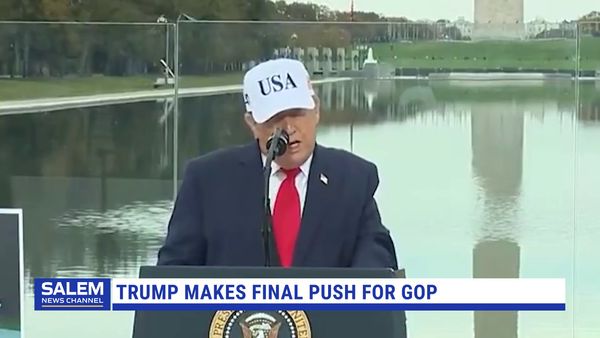
(Washington, DC) -- President Trump says Democrats are committed to the same "radical agenda." He gave his closing argument for Republicans ahead of Tuesday's midterm elections in front of the Lincoln Memorial Reflecting Pool on Monday. The President went on to claim Democrats are corrupt, pointing to allegations the party worked to confuse voters in Alaska's U.S. Senate race. Democrat Mary Peltola's campaign is accused of working to find a candidate with the same name as incumbent Republican Dan Sullivan to appear on the ballot. Trump also touted his economic policies, saying more people are working today than at any point in the country's history.
(Toledo, OH) -- Vice President JD Vance visited Toledo Monday. Vance rallied with Republicans at Toledo Express Airport.
Ohio voters go to the polls tomorrow to vote in contests including the races for governor and U.S. Senate. The polls open at 6:30 a.m. and close at 7:30 p.m.
The temporary ceasefire in Oleshky, Ukraine, came to an end over the weekend, which First Lady Melania Trump and leaders from both Russia and Ukraine said went well.
The Russian-controlled city has faced a serious humanitarian crisis, which resulted in the need to remove landmines and get critical aid into the community with many elderly residents, as well as help people leave that wished to do so.
Read the full story at Townhall.com: https://townhall.com/news/cameron-arcand/2026/11/02/melania-notes-success-of-ukraine-ceasefire-that-provided-glimmer-of-hope-n2685729
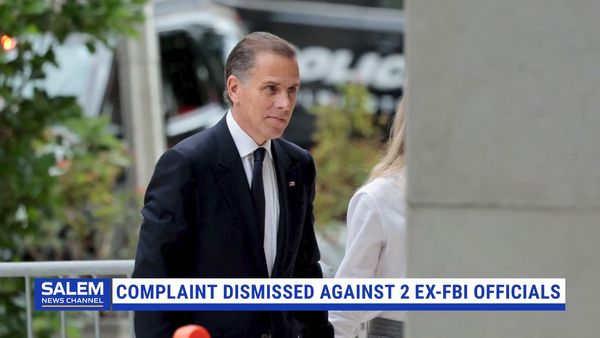
(Washington, DC) -- The complaint against two former FBI officials accused of misleading Congress about the investigations into Hunter Biden has been tossed. A federal judge on Monday said prosecutors did not show enough evidence that Nikki Floris and Bradley Benavides knowingly lied. The judge described the complaint as political prosecution. During a court hearing, the judge said, "What has transpired here cannot be described as anything other than weaponization." The Justice Department could still seek a grand jury indictment.
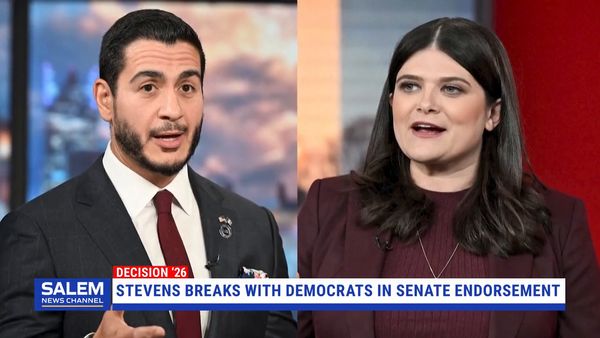
(Detroit, MI) -- Democratic Congresswoman Haley Stevens is endorsing Michigan Republican Senate candidate Mike Rogers ahead of Tuesday's midterm election. Stevens spoke alongside Rogers in Detroit yesterday following the announcement, calling her decision "personal and private."
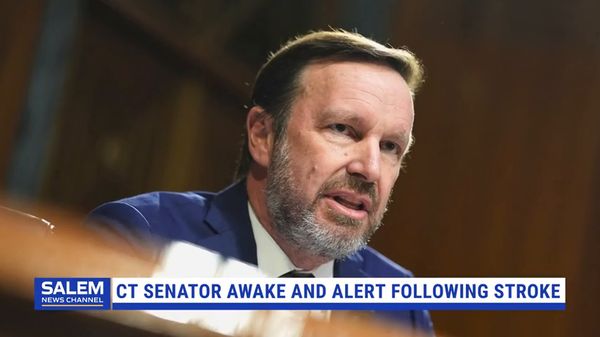
Connecticut Senator Chris Murphy is expected to make a full recovery from a stroke he suffered Saturday afternoon according to his chief of staff. He was initially taken to a hospital in Washington, D.C. and then transferred to Johns Hopkins Hospital in Baltimore, MD. Murphy is reportedly awake, alert and responding well to treatment. The 53-year-old Democrat, who has been in the Senate since 2012, is not up for reelection tomorrow.
Salem Media, our partners, and affiliates use cookies and similar technologies to enhance your browsing experience, analyze site traffic, personalize site content, and deliver relevant video recommendations. By using this website and continuing to navigate, you consent to our use of such technologies and the sharing of video viewing activity with third-party partners in accordance with the Video Privacy Protection Act and other privacy laws.Privacy Policy